
ever-evolving
Materials & Ethos
Made Line Jewelry’s philosophy is rooted in the belief that covetable, heirloom-quality jewelry can be made in a way that is socially and environmentally responsible.
The word ethical in regards to jewelry and mining is deeply nuanced and hard to define –– especially across multiple countries and supply chains. At times, I hesitate to use the term because I never want to unintentionally greenwash or oversimplify something that is complex and imperfect. Instead, I aim to share what I know with honesty — including where clarity ends and uncertainty begins.
The supply chain for fine jewelry materials is extremely opaque and unregulated, making it hard to verify ethical or sustainability claims.
Over the past decade, I’ve developed several personal relationships with raw material vendors I genuinely trust. I aim to work with people who share my values –– who prioritize fair wages, safe working conditions, environmental responsibility, and respect for everyone involved, from the land itself to the miners, cutters, and end product.
I don’t claim to know every detail of every material's journey. What I can do is share the information I have with honesty and transparency. Some materials and vendors offer more traceability than others, and I’m continually learning, asking questions, and looking for better ways to source responsibly.
Materials & Sourcing
Fairmined Metal
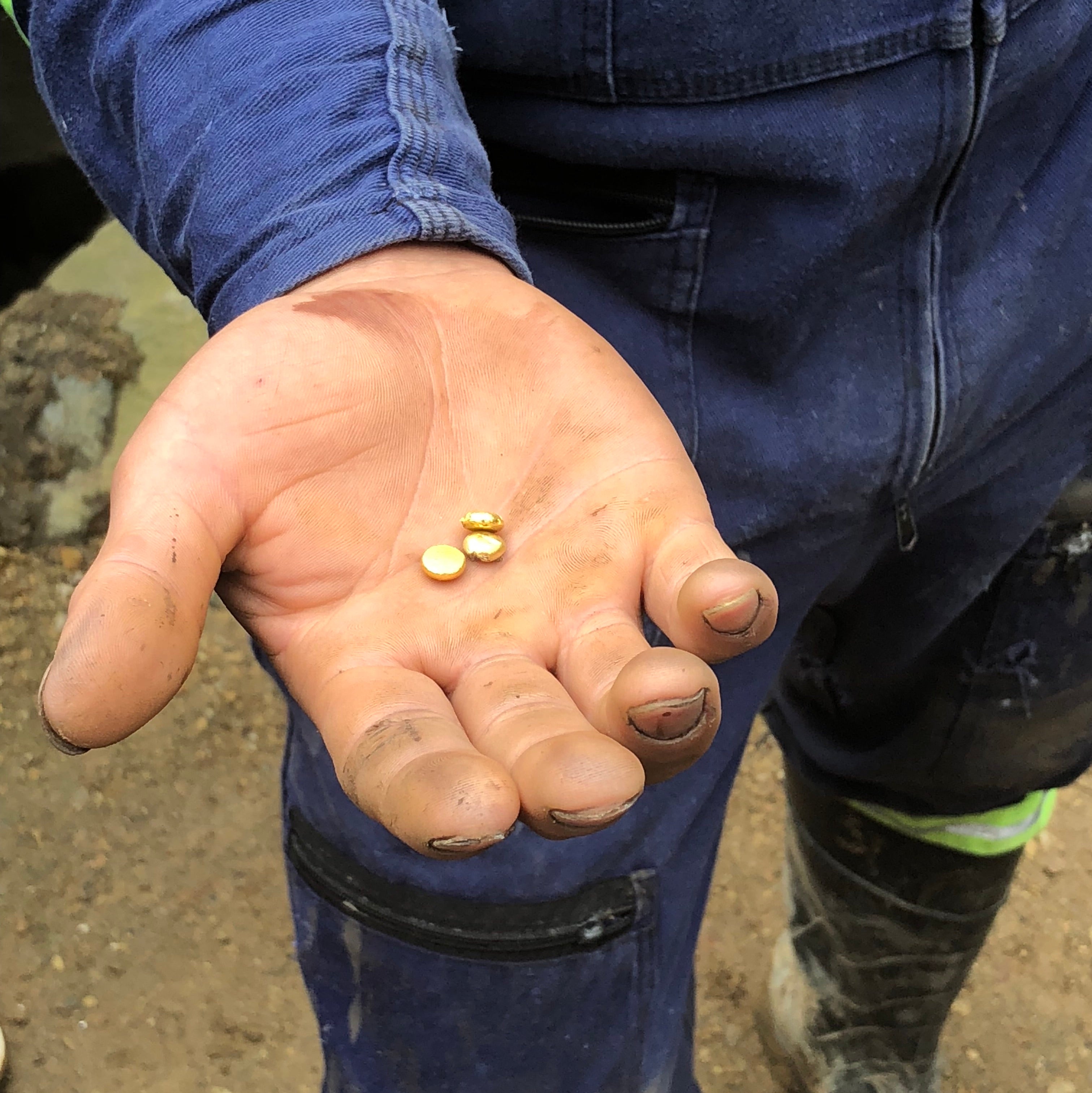
Certified Fairmined gold is sourced from small-scale artisanal mining communities that meet rigorous standards for environmental responsibility, safe working conditions, and fair wages.
These standards are set by the Alliance for Responsible Mining (ARM), with the goal of supporting mining communities in developing countries through more equitable and transparent practices.
Working with Fairmined gold offers a rare level of traceability within an otherwise opaque supply chain. It also directly supports miners who are actively working toward safer, more sustainable methods of extraction.
A select number of Made Line styles are created using certified Fairmined gold. Due to current limitations in casting and material availability, I primarily use Fairmined gold in fabricated pieces where I can work directly with the raw material.
This is an area I am continually exploring and expanding as more material vendors offer Fairmined gold and more options become available.
Materials & Sourcing
Recycled Metal
Recycled metal is refined from existing sources such as old jewelry, industrial materials, electronics, or dental work, rather than newly mined metal. After being melted down, purified, and re-alloyed, it becomes identical in quality and durability to newly mined metal.
Because gold has always held intrinsic value, it has been continuously melted down and reused for centuries. For that reason, recycled gold is widely considered the industry standard rather than a complete solution to the environmental and social challenges of mining.
Another important nuance is that “recycled gold” does not always mean post-consumer gold. In some cases, newly mined gold can enter the recycled supply chain during the refining process, making full traceability difficult.
For example, gold jewelry that has never been sold — or was even recently manufactured — can be sent back to a refiner, melted down, and classified as “recycled.” This is sometimes referred to as pre-consumer recycled gold. While it is still being reprocessed rather than newly mined, it may not have ever been in circulation or owned by a customer.
Rather than presenting recycled gold as a perfect or fully transparent option, I view it as a meaningful baseline — one that avoids directly contributing to new mining, while acknowledging the limitations that still exist within the system.
All recycled metals used in Made Line are sourced from trusted refiners who follow strict regulations for the refining, processing, and manufacturing procedures.
Materials & Sourcing
Diamond
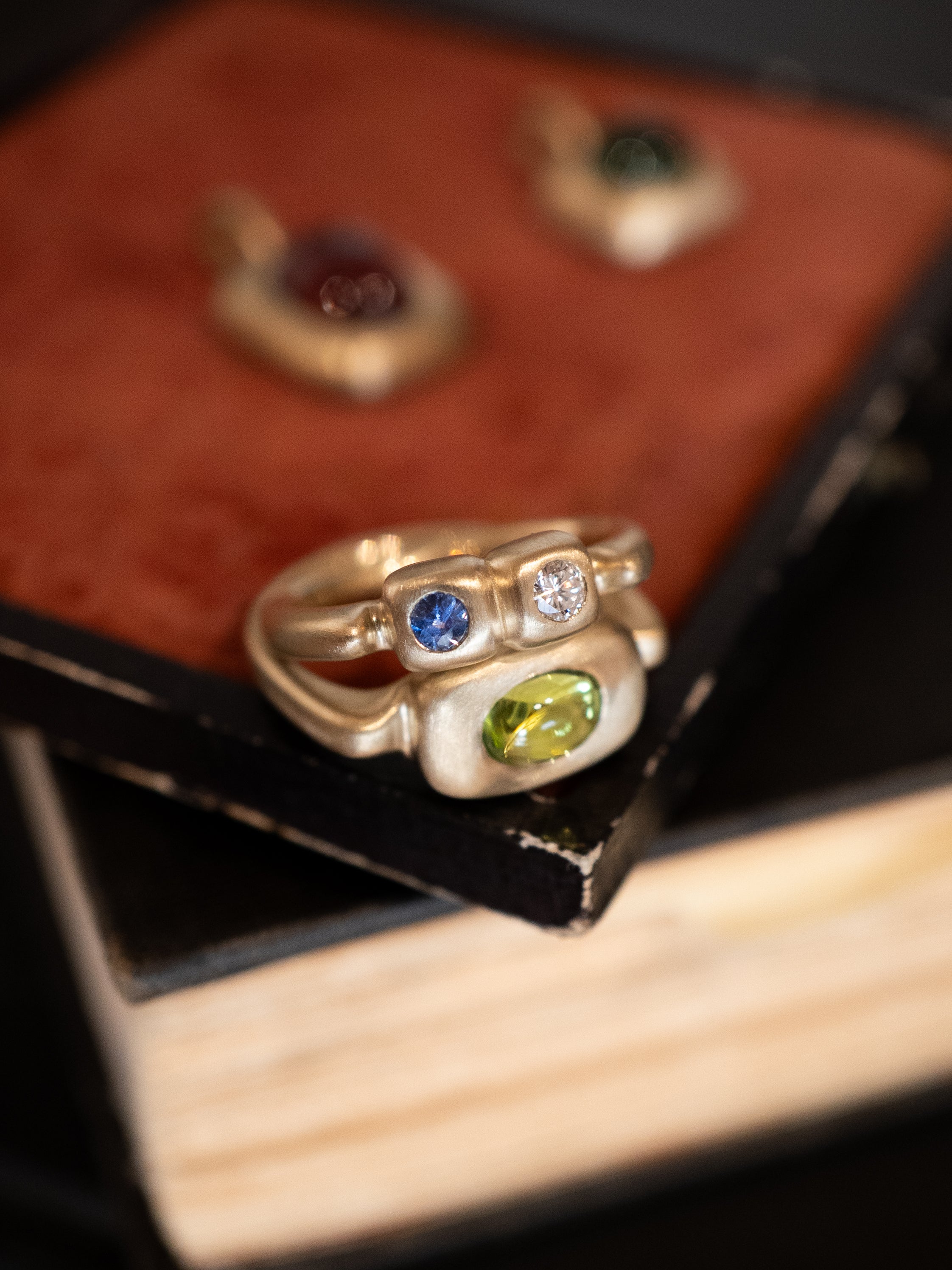
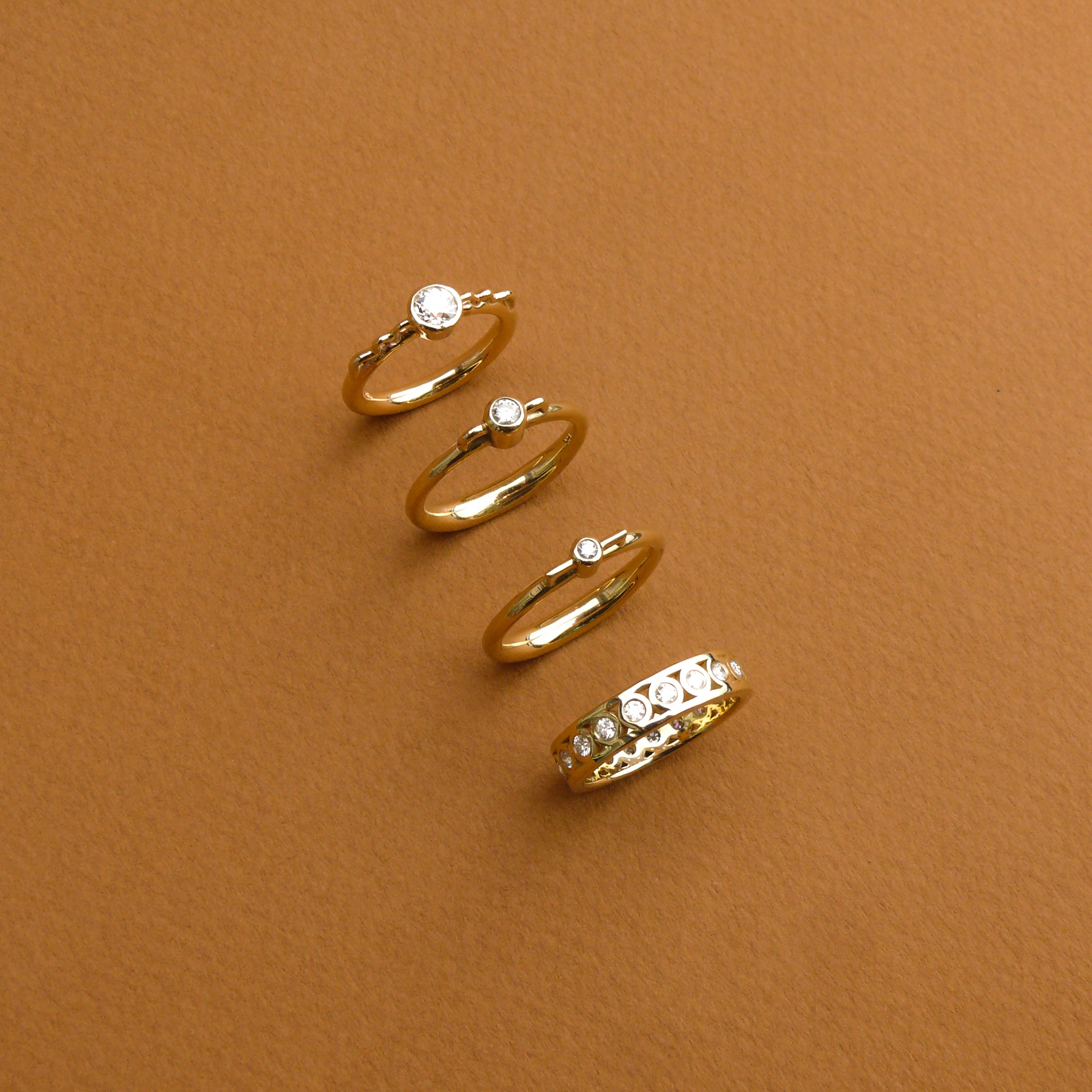
The diamonds I use are either recycled (AKA reclaimed) — repurposed from older jewelry — or traceable Canadian diamonds from mines with strict environmental and rehabilitation standards.
- Recycled diamonds - Recycled diamonds are reclaimed from existing jewelry. Because they’re pulled from older pieces, sourcing them in consistent sizes, shapes, and clarity can be challenging. For that reason, many of my diamond pieces become true one-of-a-kinds that can’t easily be reproduced. This is a beautiful way to give beautiful or sentimental stones a second life.
- Canadian diamonds - In recent years, several of my trusted vendors have begun offering fully traceable Canadian diamonds. Many of the Canadian diamonds currently in my collection come from the Gahcho Kué Diamond Mine in Canada and are cut in a responsible cutting facility in Surat, India. These Canadian mines operate under strict environmental regulations and land rehabilitation requirements, offering a higher level of traceability from mine to market.
Materials & Sourcing
Sapphire
Sapphires might be my favorite gemstone to work with. Beyond their incredible range of color — from icy blues to earthy greens and golden tones — they are naturally hard and durable, making them ideal for everyday heirloom jewelry.
I source sapphires from several origins around the world, each with its own story and level of traceability.
- Sri Lankan Sapphires - Many of my Sri Lankan sapphires are sourced directly from a small-scale miner who also operates a cutting facility in the same village as the mine. This rare level of vertical integration allows for meaningful transparency. What I value most about working with him and his partners is their commitment to education for miners and cutters, fair wages, women’s equality in the workforce, and community development projects in surrounding areas. These sapphires feel especially meaningful in my work because I can speak directly to the people and community behind them.
- Australian Sapphires - I primarily work with two sources for Australian sapphires. One vendor lives in Australia part of the year and works directly with miners. The rough sapphires are pre-formed by hand in Australia before being sent to a small cutting facility in Bangkok. The second vendor also works directly with miners to source the rough sapphires. The stones are then cut in their facility in China, where their mission centers around safe, properly ventilated working conditions, wages paid at 2x above minimum wage, paid time off, and medical insurance for workers.
- Montana Sapphires - The Montana sapphires used at Made Line come from a few different vendors. One is a husband-and-wife duo who own the mine and process the land themselves. They carefully reclaim the land after mining by filling excavated areas and planting grass seed to restore the ecosystem. Their rough stones are then sent to artisanal cutters in the U.S. or to responsible cutting facilities overseas. My other Montana sapphire vendor works directly with miners to procure rough sapphires, which are then cut in a facility in China that prioritizes safe working conditions, fair pay, paid time off, and medical insurance.
- Tanzanian Sapphires - Many of my sapphire cabochons are sourced from a vendor whose parents mined the material in Umba Valley, Tanzania the 1960’s and 70’s. These stones have been in a vault since then, rendering them vintage rough, then are shipped to a cutting facility in Sri Lanka.

Materials & Sourcing
Tourmaline
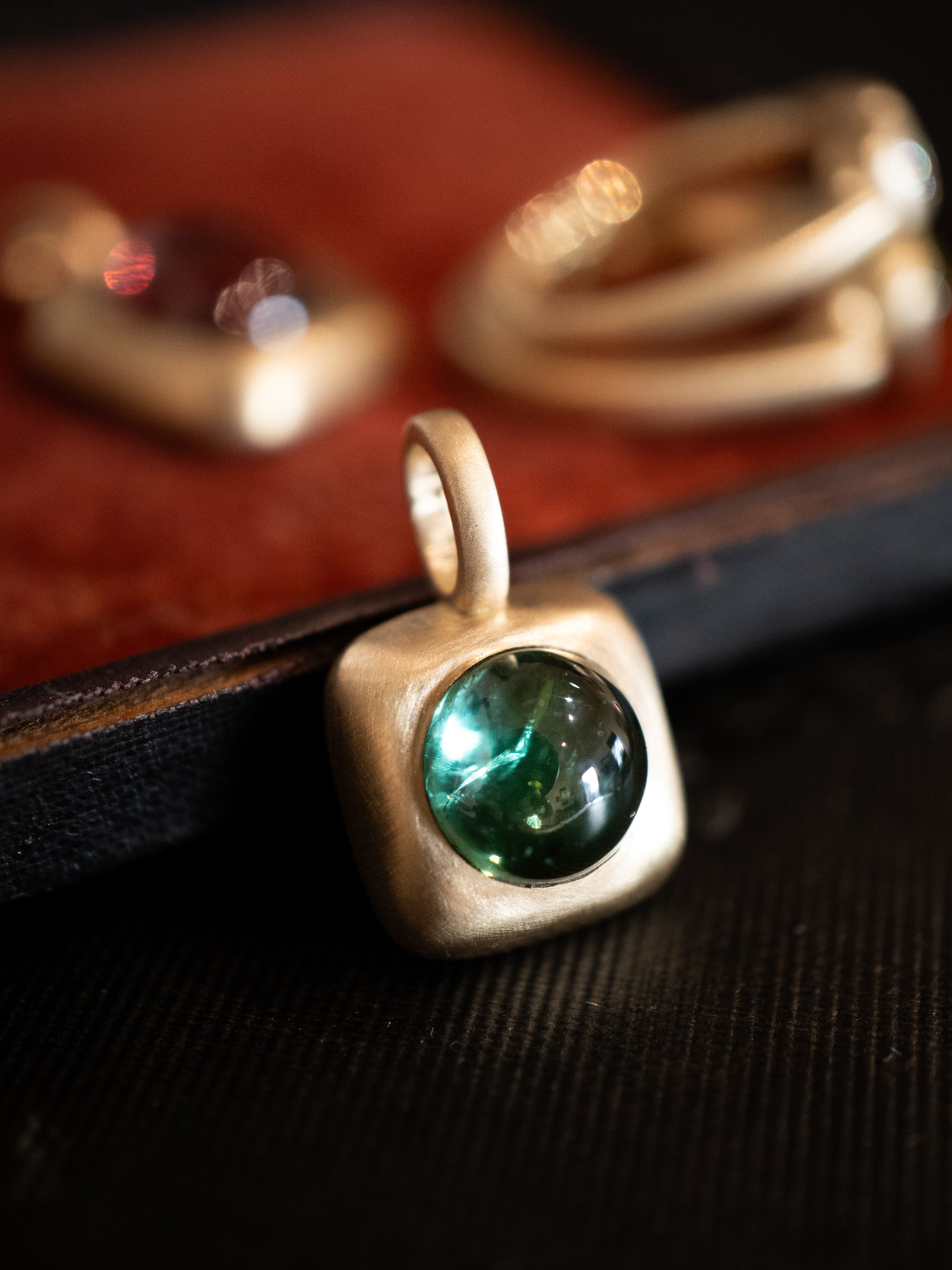
Tourmaline has quickly become a customer favorite –– and one of mine as well. I'm drawn to its incredible range in color — pastels, vivid neons, and sometimes multiple colors in one stone. It adds a bright, joyful layer to the collection. Most of the tourmaline I use comes from Nigeria and Brazil.
- Nigeria - Some Made Line tourmaline comes from a small mining community Nigeria. The vendor works directly with miners to source the rough, then ships the rough gemstones to their cutting facility in China where their mission is to provide a safe, fair, comfortable working environment including proper ventilation, pay 2x above minimum wage, paid time off, and medical insurance.
- Brazil - A few of my tourmaline vendors are the miners and cutters themselves, which means I get to choose stones directly from the people who unearthed and shaped them. It’s where many of my best tourmalines have been found.
Materials & Sourcing
Garnet
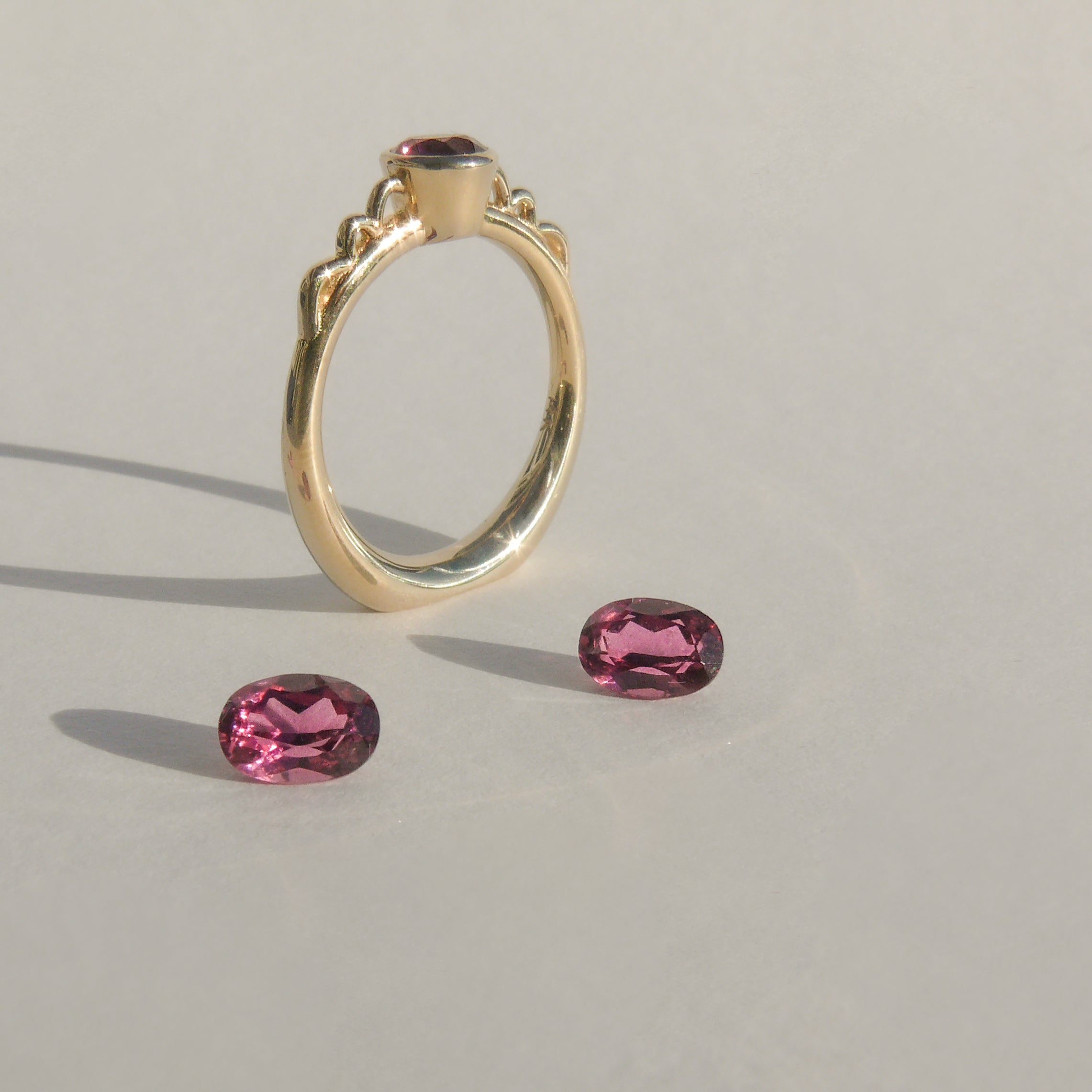
Most of my garnets are sourced from women miners in Tanzania through an incredible initiative called Moyo Gems. Their work brings transparency, fair pay, and long-term support to artisanal mining communities — and it’s been an honor to incorporate their stones into my collection. I’m looking forward to expanding these gemstones in my collection and learning how I can support their mission even more deeply.

Materials & Sourcing
Emerald
Emeralds have been one of the most challenging stones to source ethically. I’ve spent years searching for options with true transparency from mine to market, and until recently, they were nearly impossible to find. A vendor I trust has begun offering emeralds from the Cabra Mine in Bahia, Brazil, which are then cut in a responsible cutting facility in China that focuses on workers rights. So far, I’ve only used these stones in a few designs, but I’m excited to see more material from this mine and explore new ways to weave emeralds into the collection.
Materials & Sourcing
Lapis
The most well-known source for lapis has traditionally been Afghanistan. However, the gemstone vendor I work with no longer felt comfortable sourcing from that region due to concerns about inadvertently funding instability or conflict. After four years of searching for an alternative, they now source lapis from the Andes Mountains in Chile. The stones are cut in their facility in China committed to safe working conditions, proper ventilation, fair wages (2x above minimum wage), paid time off, and medical insurance.

